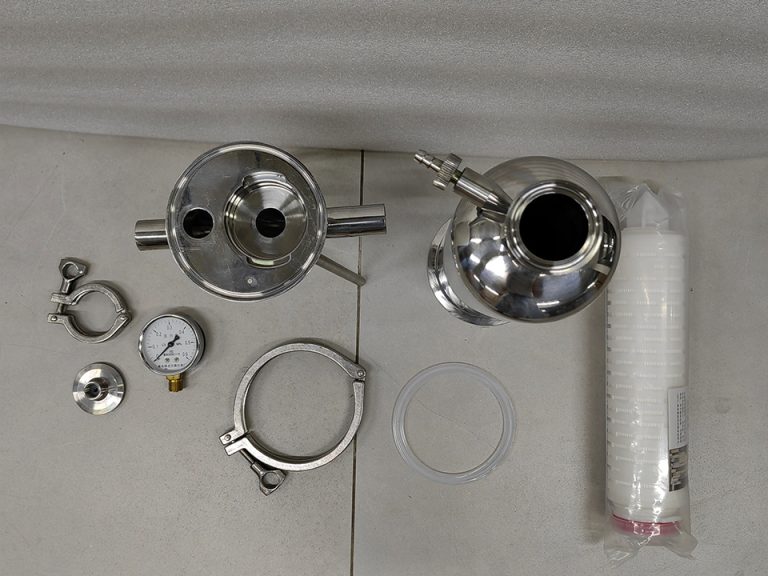
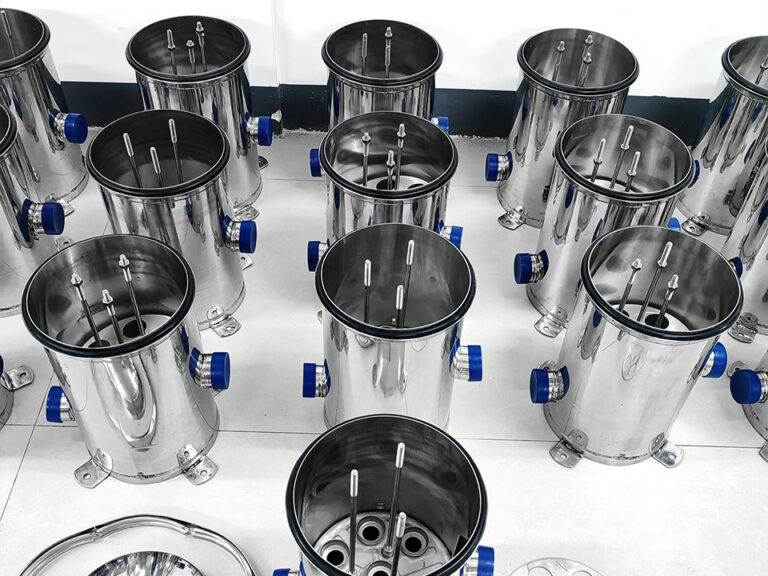
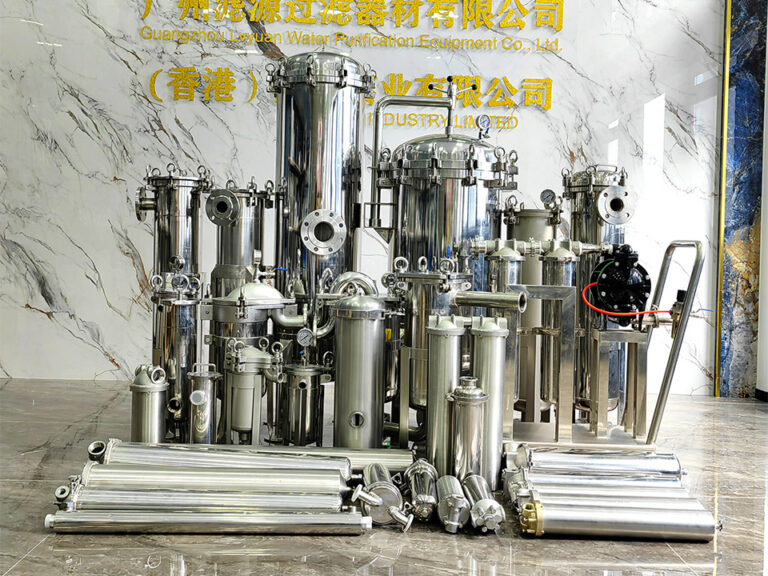
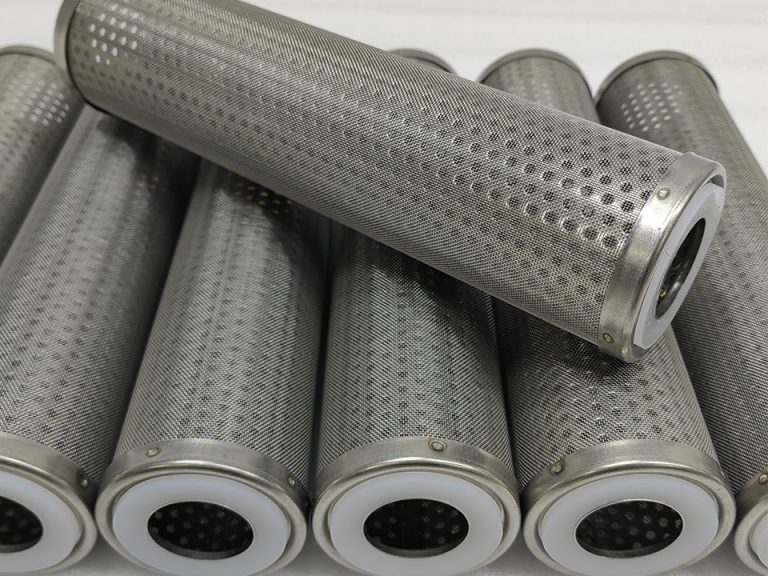
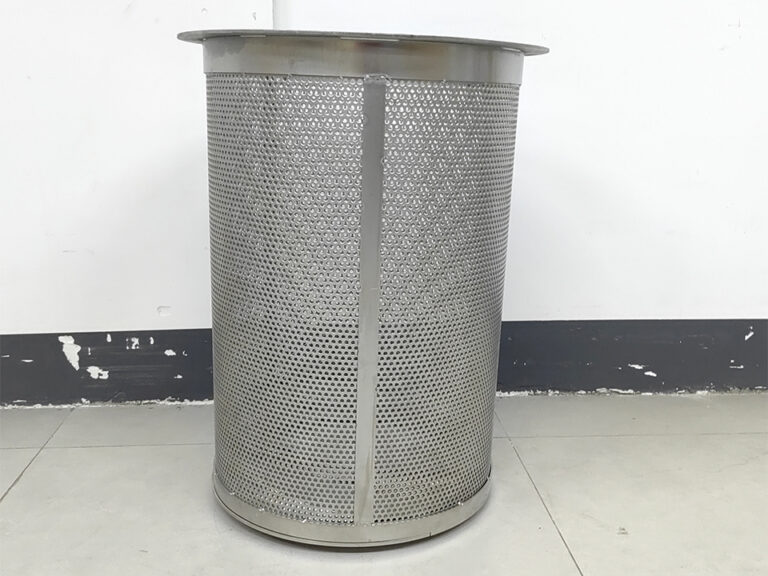
Guangzhou Lvyuan Water Purification Equipment Co., Ltd. è un produttore di filtri industriali fondato nel 2009 che progetta e produce alloggiamenti per filtri in acciaio inossidabile, serbatoi per acqua sterile in acciaio inossidabile, elementi filtranti, sacchi filtranti, materiali ultrapolimerici e prodotti filtranti sinterizzati. Gli acquirenti scelgono Lvyuan per il supporto OEM/ODM, il controllo qualità ISO9001 e le certificazioni multinazionali.
Guangzhou Lvyuan Water Purification Equipment Co., Ltd.
Lista di controllo di conformità per i produttori OEM di depuratori d'acqua a osmosi inversa (RO) per uso commerciale
Un depuratore d'acqua RO per uso commerciale può apparire impeccabile in uno stand fieristico, ma risultare del tutto inutile poiché i suoi componenti di progettazione, l'elenco dei materiali a contatto con il fluido, l'involucro a pressione, i contenitori per le sostanze contaminanti, la grafica delle etichette e i comandi del distributore non sono mai stati raccolti in un unico documento tecnico verificabile.
Ma cosa sta acquistando realmente l'acquirente?
Un'apparecchiatura? Un sistema certificato? Un dispositivo composto da componenti certificati da organismi indipendenti? Non sono la stessa cosa.
Diffido della frase “realizzato con componenti certificati NSF” quando compare senza un elenco specifico dei componenti del sistema. Si tratta in genere di “cinema della certificazione”: è molto suggestiva, apparentemente priva di complicazioni e pericolosamente facile da fraintendere da parte dei fornitori.
La dura realtà è che molti guasti nei sistemi di depurazione dell'acqua a osmosi inversa prodotti da OEM non sono dovuti a difetti delle membrane, bensì a errori di configurazione e controllo.
Tre episodi recenti spiegano perché la tolleranza nei confronti di una conformità approssimativa si sia ridotta:
A partire da settembre 2023, i fornitori e gli importatori statunitensi che immettono sul mercato prodotti idraulici soggetti a regolamentazione devono attenersi ai requisiti di certificazione “senza piombo” emessi da organismi terzi. Il limite federale è generalmente pari a una media ponderata di 0,251 TP3T di piombo sulle superfici a contatto con il fluido, con limiti diversi applicabili alle saldature e ai raccordi. Il 10 2024, l’EPA statunitense ha stabilito livelli massimi di impurità applicabili pari a 4,0 parti per trilione per il PFOA e il PFOS. Nel maggio 2026, l’EPA ha proposto di mantenere tali limiti, offrendo al contempo ai sistemi pubblici la possibilità di richiedere una proroga per l’adeguamento, potenzialmente fino al 2031. I valori sono rimasti invariati; il percorso di attuazione è stato modificato. Nel 2024, un’azione della FTC ha generato $43,6 milioni di risarcimento monetario, coinvolgendo una società di finanziamento per il trattamento delle acque la cui rete di rivenditori era stata accusata di pratiche ingannevoli di vendita porta a porta. La conformità delle apparecchiature non ha protetto la rete commerciale dalle indagini. La situazione è più grave di quanto la maggior parte degli OEM ammetta. I casi dei vostri rappresentanti possono diventare un problema anche per voi.
Fissare l’utilizzo previsto prima di scegliere gli standard
Fai questo per prima cosa.
L'espressione “depuratore d'acqua RO per uso commerciale” non corrisponde a una categoria normativa. Si tratta semplicemente di una descrizione generica del prodotto. La conformità dipende dal luogo in cui il sistema è installato, da ciò che vi entra, da ciò che ne esce, da chi utilizza l'acqua e da quanto garantito dal fornitore.
Redigere una dichiarazione di destinazione d'uso controllata che includa:
Trattamento in loco, trattamento all’ingresso, trattamento per la ristorazione o trattamento principale
Acqua potabile locale, acqua di pozzo privato o acqua per uso tecnico
Livello massimo di sollecitazione e temperatura in ingresso
Prezzo nominale di produzione in litri all'ora o galloni al giorno
Limiti relativi a TDS, durezza, silice, ferro, manganese e cloro nell'acqua di alimentazione
Parte destinata alla cura
Procedura continua, ricorrente o in base alla domanda
A prescindere dal fatto che l'acqua trattata venga consumata direttamente, utilizzata come ingrediente alimentare o convogliata verso impianti industriali
Se si affermi che la filtrazione microbiologica sia efficace
Paesi e stati in cui il modello sarà commercializzato
Requisiti di installazione, comprendenti tubo di scarico, intercapedine d'aria, dispositivo antiriflusso e alimentazione elettrica
Un dispositivo installato direttamente al punto di utilizzo sotto il lavandino di un ufficio può rientrare nella norma NSF/ANSI 58. Un impianto più grande, completamente collegato a un resort, a un istituto, a un ristorante o a un edificio commerciale, può inoltre far scattare i requisiti della norma ASSE 1087 in base alle norme idrauliche o alle esigenze dell’acquirente. La norma NSF/ANSI 58 riguarda i sistemi di osmosi inversa (RO) installati nel punto di utilizzo; la norma ASSE 1087 riguarda invece i dispositivi di trattamento dell’acqua collegati all’impianto idraulico destinati ad attività commerciali e alla ristorazione, compresi i dispositivi a osmosi inversa. Si tratta di un ulteriore confine.
Le apparecchiature destinate all’emodialisi, alla produzione farmaceutica, alla sterilizzazione o alla produzione alimentare certificata non possono essere trattate come normali apparecchiature per l’acqua da ufficio. Il loro uso previsto potrebbe comportare per il produttore originale (OEM) l’obbligo di soddisfare requisiti relativi ai dispositivi medici, al settore farmaceutico, alla lavorazione alimentare o alla convalida del sito, che esulano da una checklist convenzionale per i sistemi RO aziendali.
Creare una matrice di accreditamento specifica per il mercato
Un unico certificato raramente copre ogni aspetto.
La norma NSF/ANSI 58 valuta i sistemi RO (osmosi inversa) per uso domestico in termini di sicurezza e incolumità dei materiali, integrità strutturale, efficienza e documentazione tecnica. La riduzione completa dei solidi disciolti è un requisito di efficienza obbligatorio; le dichiarazioni relative alle impurità quali arsenico, piombo, nitrati, cromo o PFAS sono facoltative e devono essere validate separatamente per la versione specificata. Per le installazioni commerciali, la norma ASSE 1087 potrebbe rappresentare lo standard prestazionale più appropriato. Per i componenti a contatto con il fluido, possono essere applicabili le norme NSF/ANSI/CAN 61 o NSF/ANSI/CAN 372 a seconda della portata del prodotto, dell’installazione e dei requisiti normativi.
La differenza è complessa, ma fondamentale: i prodotti destinati al punto di utilizzo certificati in base a criteri quali NSF/ANSI 58 contengono le proprie specifiche in materia di sicurezza dei materiali e sono solitamente esclusi dalla norma NSF/ANSI/CAN 61, sebbene i requisiti relativi al tenore di piombo previsti dalla norma NSF/ANSI/CAN 372 possano comunque continuare ad essere applicabili. t o dichiarazione
Probabile struttura di conformità
Cosa conferma
Ciò che non conferma automaticamente
Sistema di osmosi inversa (RO) per l'acqua potabile al punto di utilizzo
NSF/ANSI 58
Sicurezza del prodotto, stabilità strutturale, riduzione del TDS e richieste di risarcimento assicurativo fornite a titolo facoltativo
Ogni sostanza inquinante utilizzata a fini di marketing
Impianti di osmosi inversa (RO) per uso commerciale o nel settore della ristorazione
Codice ASSE 1087 plus applicato alle tubazioni
Prestazioni delle attrezzature commerciali ed esigenze relative agli impianti idraulici
Riduzione degli inquinanti specifica per modello
Parte a contatto con l'acqua potabile
NSF/ANSI/CAN 61, ove applicabile
Risultati sanitari relativi ai materiali destinati all'acqua potabile
Prestazioni complessive dell'impianto RO
Conformità ai requisiti relativi al tenore di piombo
NSF/ANSI/CAN 372 o equivalente riconosciuto
Contenuto ponderato di piombo
Riduzione del piombo proveniente dall'acqua in entrata
Caso relativo a un “detergente” microbiologico
NSF P231 o un'altra procedura approvata
Microrganismi specificati, infezione ed efficacia nella riduzione delle cisti
Approvazione automatica di ogni strato della membrana RO
Sistema RO affidabile per uso domestico
Specifiche EPA WaterSense e criteri di riferimento
Efficienza idrica e relativi requisiti di efficienza
Applicabilità a qualsiasi skid commerciale
Prodotto dell'UE destinato a venire a contatto con l'acqua potabile
Regolamento (UE) 2020/2184 e relativi atti del 2024
Materiali, prove e uniformità per i prodotti destinati al consumo di alcol e acqua
Diversi obblighi in materia di elettricità, sollecitazioni o compatibilità elettromagnetica (EMC)
Nel 2024 l’UE ha reso questo processo più strutturato attraverso atti delegati e di esecuzione che disciplinano la valutazione della conformità, lo screening e la marcatura dei prodotti a contatto con l’acqua destinata al consumo umano. Gli esportatori non devono dare per scontato che un rapporto NSF statunitense possa essere semplicemente ridenominato come prova di conformità europea. Per ogni materiale e componente a contatto con l’acqua
Lo strato di membrana attira l'attenzione. L'O-ring, invece, in genere no.
Eppure, un depuratore industriale ad osmosi inversa presenta decine di potenziali punti di movimento, perdite e contaminazione: alloggiamenti, tubi, impianti, pompe, pulsanti di comando, sigillanti, lubrificanti, adesivi, serbatoi di stoccaggio, limitatori di flusso, valvole di intercettazione, postfiltri, pigmenti e inserti sagomati.
Realizzare un registro del materiale bagnato che includa:
Distributore e realizzazione di siti web
Disegno delle parti e revisione
Classificazione dei materiali, degli elastomeri o delle leghe
Denominazione commerciale e tipo specifico di materiale
Informazioni su pigmenti, riempitivi e coadiuvanti tecnologici
Area inumidita
Temperatura, pressione ed esposizione a sostanze chimiche
Stato di contatto con gli alimenti o con l'acqua potabile
Elenco degli accreditamenti pertinenti
Metodo di tracciabilità dei lotti
Alternativa autorizzata, se presente
Durata della notifica di modifica
Non considerare espressioni come “qualità alimentare”, “materiale approvato dalla FDA” o “componente NSF” come prova assoluta.
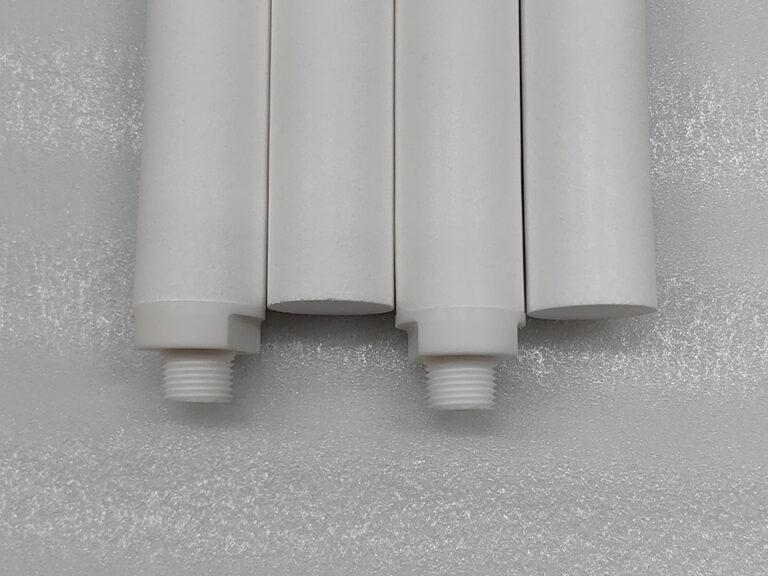
Lo status di idoneità al contatto con gli alimenti stabilito dalla FDA varia a seconda della sostanza e dell’uso previsto. Lo status normativo di un articolo completo dipende da ciascuna sostanza che si prevede possa migrare nelle condizioni d’uso previste; non si tratta di un’approvazione generale per un depuratore d’acqua di tipo modulare. A parte il pretrattamento e le parti protettive, è necessario esaminare il polimero specifico, il valore di porosità, il limite di pressione e il rapporto di estrazione, anziché basarsi sull’aspetto del componente. I modelli proposti possono includere tubi filtranti in PE sinterizzato microporoso, filtri commerciali a cartuccia sinterizzata per liquidi e compatto Dischi filtranti permeabili in UHMWPE o PVDF.
Per le impostazioni relative alla filettatura, allo sfiato o al controllo del flusso, un OEM può anche analizzare Filtri a disco sinterizzati M20 e M22 in PE/PTFE. Tuttavia, l’integrazione di un elemento in un progetto non garantisce di per sé la qualificazione del sistema. La configurazione finale deve comunque essere sottoposta a verifica dal punto di vista del prodotto, della struttura e dell’efficienza.
Qui non ci sono scorciatoie.
Il passaggio da parte di un fornitore dal polietilene completamente naturale a una qualità pigmentata, la sostituzione di un additivo di lavorazione del PTFE, la sostituzione dell’EPDM con una formulazione “equivalente” o il trasferimento dello stampaggio in un altro stabilimento possono modificare lo stato di conformità senza alterare il numero di componente identificativo.
Verificare tutti i casi di prestazione nella configurazione commerciale
Verifica il prodotto che ricevono i clienti.
Ciò significa la membrana di produzione, la pompa, il limitatore, il serbatoio a pressione, il postfiltro, le dimensioni dei tubi, il firmware, la sequenza di lavaggio e il rubinetto. Un modello da laboratorio di ricerca con componenti selezionati a mano non è la stessa cosa di un prodotto OEM realizzato in serie.
Per ogni richiesta di risarcimento, definire:
Sostanza bersaglio
Approccio all'esame e versione comune
Focus sull'influenza
Riduzione necessaria
pH dell'acqua di alimentazione
Livello di temperatura
Pressione
TDS e solidità
Prezzo di circolazione
Classifica di recupero o di prestazione
Abitudini quotidiane in bicicletta
Durata di vita nominale
Periodo di sostituzione
Risultato “superato/non superato”
Certificazione di laboratorio
Verifica dettagliata del progetto e modifica della distinta base
Ai sensi della norma NSF/ANSI 58, la riduzione del TDS è obbligatoria per gli impianti RO certificati, mentre altri casi sono facoltativi. Un produttore OEM non può trasformare una certificazione RO generica in dichiarazioni relative a piombo, arsenico, fluoruro, nitrati, PFAS o microrganismi, a meno che tali casi non figurino nell’elenco o nel rapporto applicabile. Il marketing dovrebbe prestare particolare attenzione a questo aspetto.
PFOA, PFOS, PFNA, PFHxS e HFPO-DA – comunemente denominati “sostanze chimiche GenX” – sono sostanze diverse. L’espressione “riduce i PFAS” ha un significato più ampio rispetto a “testato per PFOA e PFOS”. Inoltre, l’espressione «soddisfa gli standard EPA» è solitamente impropria, poiché l’EPA regola le concentrazioni nelle reti idriche pubbliche; non concede tuttavia a un OEM l’autorizzazione a rilasciare dichiarazioni di riduzione illimitate riguardo a un’apparecchiatura non testata.
Bloccherei sicuramente qualsiasi progetto relativo ai PFAS fino a quando i team normativi, di progettazione e di qualificazione non avranno concordato i nomi specifici dei composti, il livello di priorità, la capacità, la portata e l'intervallo di sostituzione.
Considerare il “detergente” come una richiesta di risarcimento per efficienza energetica, non come un elemento decorativo
Le parole comportano una responsabilità.
Nel linguaggio comune, i termini “filtro” e “depuratore” sono intercambiabili. Nel campo della conformità, il termine “depuratore” può indicare una protezione microbiologica contro germi, infezioni e cisti.
La norma NSF P231 viene utilizzata per i depuratori d'acqua a base microbiologica e si basa sul metodo dell'EPA per il collaudo di tali dispositivi. Una membrana RO tradizionale può ridurre al minimo i microrganismi, ma la sola struttura RO non garantisce automaticamente l’efficacia del dispositivo come depuratore microbiologico per l’intera durata di vita utile, che comprende guarnizioni, percorsi di bypass e rischi di contaminazione post-trattamento. Domanda scomoda: cosa succede dopo la chiusura?
I sistemi industriali possono rimanere inattivi e in condizioni di stasi durante la notte. I serbatoi, i filtri post-carbone e i tratti morti potrebbero favorire la proliferazione microbica anche se lo strato membranoso ha dato buoni risultati durante il test di resistenza iniziale.
Il piano di riconoscimento dovrebbe pertanto affrontare i seguenti aspetti:
Metodo e frequenza di sanificazione
Periodo massimo di stagnazione
Drenabilità
Dimensione del ramo morto
Parti sensibili al biofilm
Pulizia o sostituzione del serbatoio
Durata del postfiltro
Riattivare lo scarico
Punti di campionamento microbiologico
Linee guida per la chiusura definitiva
Una richiesta di risarcimento chiara e ineccepibile è ancora una volta una cosa diversa. È meglio evitarla, a meno che l’intero sistema di produzione, confezionamento e tracciabilità non la supporti.
Verifica della sicurezza in materia di sollecitazioni, impianti elettrici ed efficienza idrica
La certificazione della membrana non impedisce che un immobile crolli.
Le prove strutturali dovrebbero riguardare la sollecitazione operativa ottimale, la pressione di prova, la pressione ciclica, il colpo d’ariete, l’esposizione a temperature elevate, lo strappo adeguato, la fatica del serbatoio, le perdite, l’ostruzione dello scarico e gli errori di installazione.
Per gli utensili azionati da pompa, consultare:
Protezione da sovracorrente
Messa a terra e isolamento
Infiltrazione di umidità
Protezione contro il funzionamento a secco della pompa
Autorizzazione relativa ai trasformatori e agli alimentatori
Aumento della temperatura dell'elettrovalvola
Stati di errore del controller
Riavvio automatico dopo un'interruzione di corrente
Guasto del sensore
Chiusura ad alta pressione
Arresto per bassa pressione di alimentazione
Compatibilità elettromagnetica
Accesso alle camere
Quindi valutate con onestà il consumo idrico.
Le specifiche WaterSense dell’EPA del novembre 2024 relative agli impianti di osmosi inversa (RO) per uso domestico prevedono che i prodotti certificati non producano più di 2,3 galloni di acqua di scarto per ogni singolo gallone di acqua trattata. I requisiti collegano inoltre le dichiarazioni di efficacia a standard di efficienza certificati separatamente, anziché a un caso teorico di laboratorio senza limiti. Per gli impianti RO commerciali di grandi dimensioni, è necessario documentare il recupero in condizioni definite:
[\text{Recupero (%)} = \frac{\text{Portata del permeato}} \times 100. ] Registrare su nastro la temperatura dell’acqua di alimentazione, il TDS dell’acqua di alimentazione, la contropressione del permeato, la pressione del concentrato e il tempo di stabilizzazione. Un valore di “recupero 75%” misurato su acqua calda a basso TDS non dovrebbe essere applicato acriticamente ad acqua di alimentazione fredda e difficile contenente CaCO₄, SiO₂ o solfati elevati.
Fornitori di controllo, alternative e modifiche alla produzione
La maggior parte dei sistemi di conformità fallisce gradualmente.
In primo luogo, non è disponibile una pompa. Successivamente, viene acquistata una pompa quasi equivalente. Un distributore di tubi regola la resina. Il firmware riceve un aggiornamento non documentato. Il limitatore di circolazione passa da 400 mL/min a 450 mL/min. Sei mesi dopo, l'apparecchiatura di produzione non è più conforme al protocollo di prova.
Utilizzare un sistema di regolazione a tre livelli:
Livello A – modifica rilevante ai fini della certificazione
Qualsiasi modifica apportata a membrane, pompe, polimeri a contatto con il fluido, recipienti a pressione, serbatoi di stoccaggio, limitatori di portata, mezzi di riduzione dei contaminanti, componenti strutturali, firmware che regolano il lavaggio o qualsiasi altro elemento indicato richiede una revisione tecnica formale e una verifica della certificazione prima dell’utilizzo.
Livello B – modifica funzionale controllata
Le modifiche apportate a staffe, bulloni, dimensioni dell'imballaggio o parti estetiche non a contatto con il fluido richiedono una dichiarazione di equivalenza documentata e un'autorizzazione.
Voto C – modifica amministrativa
Le modifiche relative alla tipografia, al formato dei file o alla grafica non tecnica possono seguire un iter di autorizzazione semplificato, a condizione che non siano interessati il marchio di certificazione, il numero di versione, le indicazioni o i casi di prestazione.
Ogni distributore autorizzato deve garantire un elevato livello di tracciabilità, avvisi in caso di modifiche e la prova che il prodotto consegnato corrisponda al grado specificato. La valutazione in entrata deve andare oltre le semplici misurazioni. Per i componenti selezionati, è necessario effettuare controlli di identità, misurazioni dello spessore, analisi dell’indice di fluidità, prove di durezza, analisi spettroscopiche o verificare le certificazioni di lotto fornite dal fornitore.
Prima fidati, poi verifica.
Etichette di sicurezza, manuali, dichiarazioni di origine e schede tecniche dei fornitori
Il tag è "risultato di progettazione gestito".
Come minimo, verificare se il prodotto e il manuale riportino correttamente quanto segue:
Produttore di documenti legali
Informazioni sul produttore o sul soggetto responsabile
Versione e numero di serie
Tensione nominale, regolarità e potenza
Sollecitazione di ingresso ottimale
Intervallo di temperatura dell'acqua di alimentazione
Tasso di produzione
Classifica di recupero o di efficienza
Fabbisogno idrico per lo scarico
Restrizioni relative all'acqua di alimentazione
Codici delle cartucce di ricambio
Procedura di sanificazione
Posizionamento dell'impianto
Marchi di certificazione
Richieste di risarcimento relative a impurità qualificate
Limiti della garanzia
Paese di origine
Istruzioni per lo smaltimento
Procedura di arresto di emergenza
I marchi di accreditamento devono corrispondere all'elenco ufficiale, al design e al sito web del produttore. Le diciture “Testato secondo la norma NSF/ANSI 58”, “Conforme alla norma NSF/ANSI 58” e “Accreditato secondo la norma NSF/ANSI 58” non sono intercambiabili.
I prodotti rappresentativi rientrano esattamente nello stesso sistema di controllo.
L’indagine della FTC del 2024 su Aqua Financing ne rivela il motivo. Le accuse mosse all’azienda vertevano su comportamenti ingannevoli dei concessionari e sulle pratiche di finanziamento, ma le ripercussioni sul settore sono andate ben oltre un singolo venditore. Un produttore OEM che offre ai fornitori bisognosi di supporto argomentazioni di benessere, calcoli di risparmio gonfiati o formulazioni poco chiare del tipo “approvato dal governo” sta introducendo un rischio per il canale di distribuzione nel lancio del prodotto. È chiaro: nessun copione per i concessionari dovrebbe includere una dichiarazione sulle prestazioni che non figuri nella matrice delle dichiarazioni approvate.
Creare una scheda tecnica in grado di superare un audit
Una buona scheda tecnica risponde rapidamente a tre domande:
Di cosa si tratta esattamente?
Quali prove sostengono ciascuna delle due tesi?
L'attuale produzione corrisponde ancora alla configurazione testata?
Includere:
Dichiarazione di destinazione d'uso
Matrice di mercato e di governance
Specifiche del sistema regolamentato
Distinta base autorizzata
Registro dei materiali a contatto con il fluido
Disegni e schemi di smontaggio
Schema idraulico
Schema elettrico
Modifiche alle applicazioni software e al firmware
Valutazione dei rischi
Autorizzazioni dei distributori
Dichiarazioni relative ai materiali
Elenchi degli accreditamenti
Documentazione relativa agli esami di laboratorio
Prove strutturali e di pressione
Relazioni sulla sicurezza elettrica
Informazioni sull'uso efficiente dell'acqua
Documenti di taratura
Controllo della produzione pilota
Tag e autorizzazioni manuali
Requisiti di imballaggio
Sistema dei numeri di serie
Cronologia delle modifiche
Rapporti di non conformità
Informazioni sul prodotto e sulla garanzia
Documenti relativi alle azioni correttive
Ritiro dal mercato e intervento sul campo
I documenti devono fare riferimento al numero di modello riportato sull'articolo. Un rapporto relativo al modello “RO-400A” non copre automaticamente il modello “RO-400A Pro”, il modello “RO-400B”, una variante a marchio proprio o un modello esteticamente simile dotato di un serbatoio aggiuntivo.
Elenco di conformità dei depuratori industriali ad osmosi inversa
Valvola di scarico
Prova richiesta
Condizione di superamento
Guasto comune
Destinazione d'uso
Dichiarazione relativa all'ambito di applicazione del prodotto accettata
Definizione di struttura, approvvigionamento idrico, risultati e mercati
“Il termine ”uso industriale” non è stato definito
Elementi della famiglia di design
Matrice modello e alternativa
Ogni variante associata alla configurazione esaminata
Modelli a marchio proprio aggiunti in modo informale
Standard
Matrice "Nazione e codice"
Requisiti pertinenti approvati dal responsabile della conformità
La norma NSF/ANSI 58 viene applicata in ogni installazione
Materiali a contatto con il fluido
Registro dei prodotti soggetti a regolamentazione
Sono stati registrati i gradi esatti e i distributori
Affermazioni generiche relative alla “plastica per uso alimentare”
Contenuti principali del sito web
Accreditamento o analisi legale
I requisiti statunitensi in materia di assenza di piombo sono stati pienamente soddisfatti
Impianti in ottone approvati senza prove
Prestazioni
Documenti relativi agli esami approvati
I reclami corrispondono alle specifiche di progettazione e alla durata di vita previste
Richieste di risarcimento assicurativo facoltative ricavate dai dati relativi allo strato di membrana
PFAS sostiene che
Prova d'esame specifica per il composto
I composti citati e la capacità sono indicati correttamente
Formulazione generica del tipo “elimina tutti i PFAS”
Richieste di risarcimento relative a problemi microbiologici
Procedura di prova adeguata per i depuratori
L'intero sistema supera il livello di difficoltà definito
La dimensione dei pori della membrana considerata come prova
Sicurezza architettonica
Prove di pressione e prove cicliche
Nessuna rottura, derivazione o perdita
I modelli di alloggi variano a seconda del produttore
Sicurezza elettrica e protezione
Dati di mercato pertinenti
La distinta base elettrica di produzione corrisponde al report
Alimentatore sostituito tramite acquisto
Prestazioni
Dati confermati relativi al feed, al permeato e al declino
Caso di recupero riproducibile
I casi di guarigione più favorevoli riportati in tutti gli opuscoli
Controllo dei fornitori
Audit e accordi di trasformazione
Le modifiche che incidono sulla certificazione richiedono l'approvazione
Il materiale o l'elastomero è stato sostituito senza problemi
Identificazione
Grafica e manuale approvati
I prezzi e le offerte rientrano nella fascia principale
“Qualified” utilizzato per un modello non presente nell'elenco
Tracciabilità
Documenti seriali e di lotto
Ricambi tracciabili fino alla produzione in grandi quantità
Un unico numero di identificazione copre le distinte base miste
Comunicato stampa
Lista di controllo per il lancio firmata
Totale autorizzazioni relative a progettazione, qualità e conformità
Le vendite vengono avviate prima della chiusura dei registri
Non considerare la tabella come un'operazione da eseguire una sola volta. Ripetine l'elaborazione ogni volta che cambiano il modello, il fornitore, il firmware, l'area di produzione, il paese di destinazione o le indicazioni di marketing.
Domande frequenti
Che cos’è la certificazione NSF/ANSI 58 per un depuratore d’acqua a osmosi inversa (RO) per uso commerciale?
La certificazione NSF/ANSI 58 costituisce la conferma da parte di un ente terzo che un determinato modello di sistema a osmosi inversa per uso domestico soddisfa i requisiti definiti in materia di sicurezza dei materiali, integrità strutturale, efficienza e documentazione tecnica, compresa la riduzione obbligatoria e completa dei solidi disciolti e solo quelle dichiarazioni opzionali relative alla riduzione dei contaminanti che figurano nell'elenco principale della certificazione.
Non garantisce automaticamente la conformità di ogni impianto commerciale, modello a marchio proprio o contaminante menzionato nella brochure di un fornitore di membrane. Gli impianti commerciali di grandi dimensioni collegati alla rete idrica potrebbero inoltre richiedere una certificazione ai sensi della norma ASSE 1087 o delle normative idrauliche pertinenti. Cosa significa la conformità RO nel settore commerciale?
La conformità commerciale di un sistema RO è la conformità documentata di un determinato progetto RO, dei suoi materiali a contatto con il fluido, del sistema di sollecitazioni, dei collegamenti elettrici, delle dichiarazioni di prestazione, delle etichette, dei manuali e dei controlli di produzione rispetto alle normative, ai codici, ai requisiti e alle esigenze degli acquirenti applicabili in ciascun mercato di vendita e installazione di riferimento.
La conformità dipende quindi dalla configurazione specifica e dal mercato di riferimento. Non si deve dare per scontato che un certificato relativo a un determinato progetto, stabilimento o dichiarazione sia valido anche per altre versioni.
Quali documenti dovrebbe conservare un produttore OEM di depuratori d'acqua a osmosi inversa?
Un produttore OEM di depuratori d'acqua a osmosi inversa (RO) deve conservare una documentazione tecnica controllata che includa la distinta base (BOM) approvata, i disegni, le dichiarazioni dei materiali, i certificati dei fornitori, i verbali di collaudo, i documenti di taratura, la valutazione dei rischi, le modifiche al software, la grafica delle etichette, i manuali, la cronologia dei reclami, le approvazioni delle modifiche, la documentazione relativa ai lotti e un riferimento incrociato tra il modello e il certificato.
I periodi di conservazione devono essere definiti in base al contratto, al programma di accreditamento, al ciclo di vita del prodotto, alla durata della garanzia e alla normativa regionale. I documenti devono rimanere leggibili e tracciabili anche a seguito di modifiche apportate dal personale o dai fornitori.
Un produttore commerciale di sistemi a osmosi inversa può presentare una richiesta di risarcimento assicurativo per la riduzione dei PFAS?
Un produttore commerciale di sistemi RO può dichiarare una riduzione dei PFAS solo dopo che la configurazione specifica del modello sia stata testata e certificata per la dichiarazione relativa ai PFAS in questione secondo una procedura pertinente, utilizzando concentrazioni di afflusso controllate, condizioni di durata di vita utile, portate, impostazioni di rigenerazione e intervalli di sostituzione riportati con precisione nella documentazione del prodotto.
“Riduce il PFOA e il PFOS” è un’affermazione più limitata rispetto a “elimina i PFAS”. La formulazione definitiva dovrebbe corrispondere alla documentazione di laboratorio e all’elenco ufficiale degli accreditamenti, non a una dichiarazione generica relativa alla moderna tecnologia RO.
In che modo un OEM può garantire rapidamente la conformità alle norme RO industriali?
Il percorso più rapido e sostenibile per ottenere la conformità RO a livello commerciale consiste, in primo luogo, nel definire la dichiarazione di destinazione d’uso e i modelli della famiglia di prodotti; in secondo luogo, nell’elaborare una matrice dei criteri paese per paese; in terzo luogo, nel qualificare ogni componente a contatto con il fluido e ogni distributore; e, infine, nel verificare il sistema rappresentativo della produzione prima del rilascio delle etichette, dei cataloghi e delle dichiarazioni rappresentative.
Effettuare una valutazione troppo presto è costoso. Eseguire i test prima della definizione della distinta base (BOM) comporta solitamente il costo di una doppia valutazione del prodotto.
Presentare le prove prima della dichiarazione di vendita
Il produttore OEM più efficace nel settore dei depuratori industriali ad osmosi inversa non è necessariamente quello con il fascicolo di certificazioni più corposo.
È il produttore che può associare ogni richiesta di risarcimento assicurativo pubblicata a un progetto, ogni modello a una distinta base controllata, ogni componente a contatto con il fluido a un prodotto approvato, ogni verbale di collaudo a una configurazione di produzione e ogni numero di serie consegnato a un lotto tracciabile.
Quella tecnica è molto meno elaborata rispetto a un'animazione al computer con membrane.
È proprio questo che verificano i principali acquirenti.
Prima di lanciare il vostro prossimo sistema commerciale di osmosi inversa, verificate l’uso previsto, l’ambito dell’accreditamento, il registro dei materiali a contatto con il fluido, le informazioni relative alle sollecitazioni, il calcolo dell’efficienza, le etichette delle versioni e i testi per i rivenditori come un unico pacchetto di conformità integrato, non come dati separati per ciascun reparto.