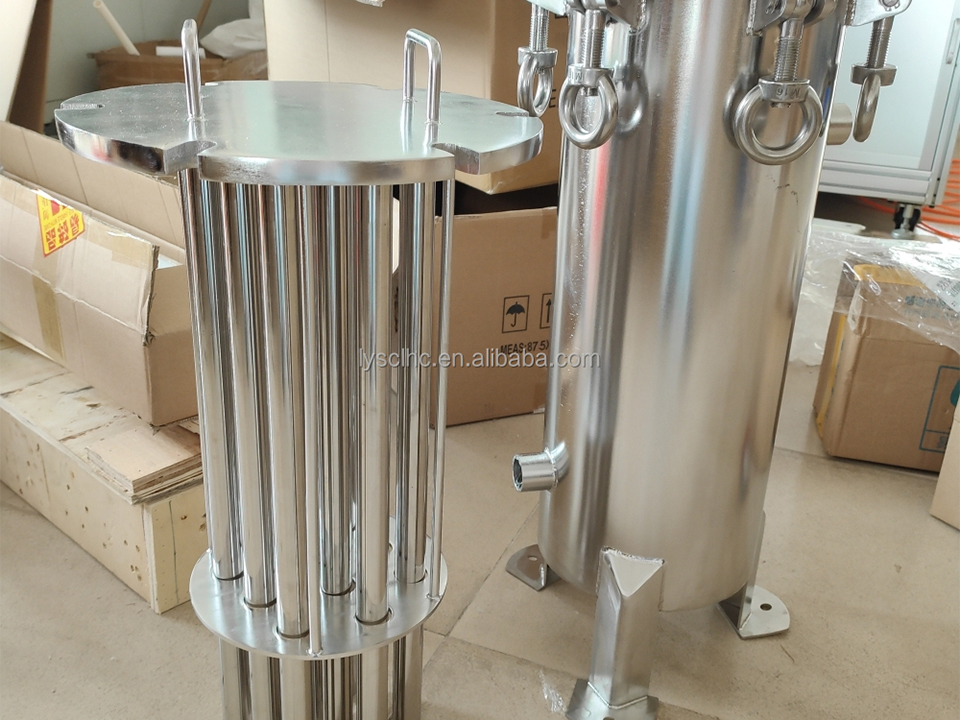
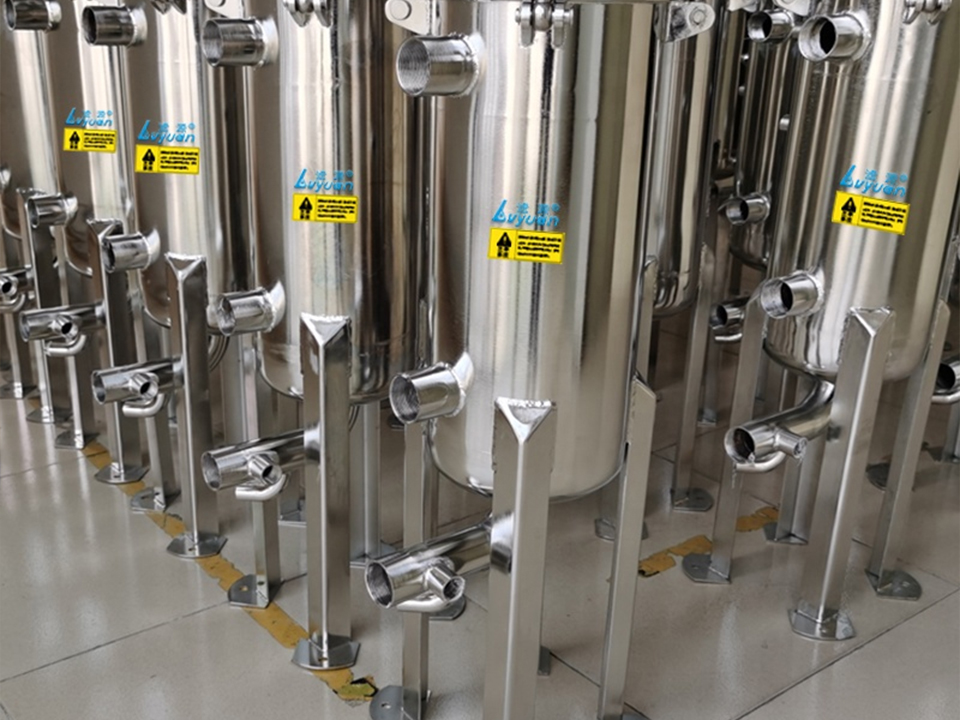
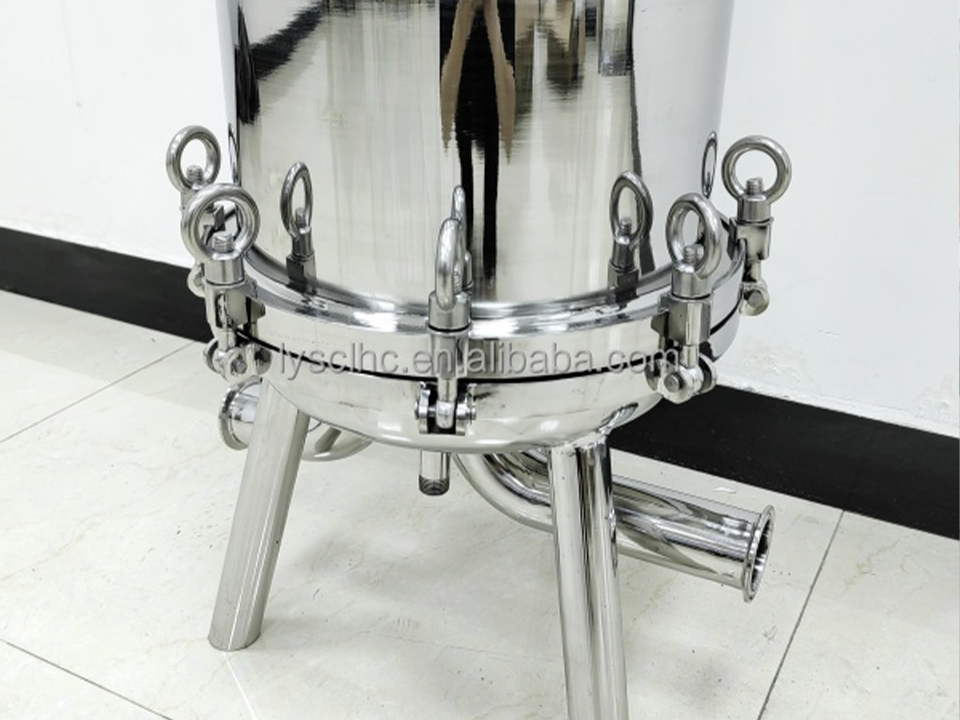
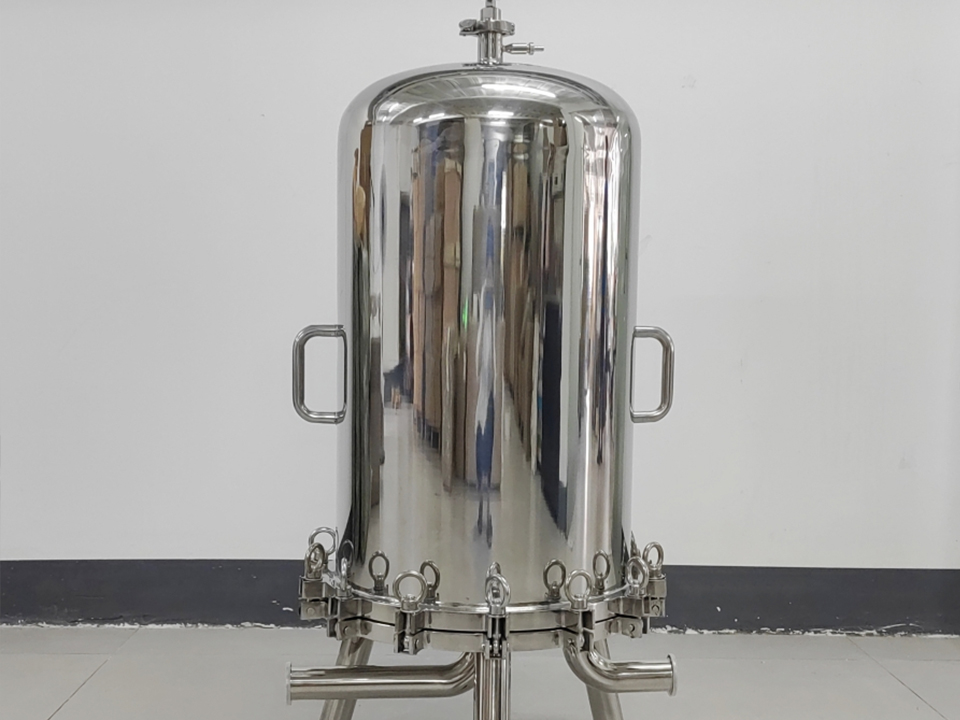
Guangzhou Lvyuan Water Purification Equipment Co., Ltd. è un produttore di filtri industriali fondato nel 2009 che progetta e produce alloggiamenti per filtri in acciaio inossidabile, serbatoi per acqua sterile in acciaio inossidabile, elementi filtranti, sacchi filtranti, materiali ultrapolimerici e prodotti filtranti sinterizzati. Gli acquirenti scelgono Lvyuan per il supporto OEM/ODM, il controllo qualità ISO9001 e le certificazioni multinazionali.
Guangzhou Lvyuan Water Purification Equipment Co., Ltd.
Quali sono i documenti che dimostrano la conformità degli alloggi filtro per gli acquirenti?
Un certificato non è una prova.
Ecco, l'ho detto. E ho visto questo film troppe volte: un acquirente riceve un PDF scintillante, il fornitore dice “sì, ISO”, tutti si rilassano, la spedizione arriva, e poi il cliente finale chiede la tracciabilità dei materiali, i registri dei test di pressione, le dichiarazioni delle guarnizioni e i fogli di ispezione a livello di lotto legati alla merce reale.
Inizia il panico.
Ecco la brutta verità: i documenti di conformità degli alloggi filtro non sono un unico documento. Sono una catena di prove. Se manca un anello - numero di modello errato, certificato scaduto, assenza di numero di calore, materiale della guarnizione scambiato tranquillamente, rapporto di pressione senza tracciabilità seriale - l'intera richiesta di conformità inizia a puzzare di cartone bagnato.
E nessuno vuole che questo avvenga in un audit di un acquirente.
Gli acquirenti continuano a fare la domanda sbagliata
“Avete una certificazione?”
Questa è la domanda più pigra. Francamente credo che sia la causa di metà dei problemi negli acquisti di filtrazione, soprattutto quando i team di acquisto sono sotto pressione per i prezzi e i team di vendita tirano in ballo parole come FDA, ISO, SGS, ASME, NSF, sanitario, alimentare e “standard di esportazione” come se significassero tutte la stessa cosa.
Non lo fanno.
La domanda più acuta è la seguente:
Può dimostrare che questo esatto alloggiamento del filtro, in questo materiale, con questa guarnizione, per questo intervallo di pressione e temperatura, costruito da questa fabbrica, sotto questo sistema di qualità, corrisponde alla domanda dell'acquirente?
Non è sexy. Necessario.
Un contenitore venduto per il servizio a vapore non viene giudicato come un contenitore di prefiltraggio residenziale trasparente. Un recipiente inossidabile destinato al settore alimentare e delle bevande non viene sottoposto alle stesse pratiche burocratiche di un contenitore di prefiltrazione economico per i sedimenti. Un assemblaggio in metallo sinterizzato ha i suoi grattacapi: classificazione dei pori, metallurgia, pulizia, saldatura, passivazione e tutto il resto.
Eppure gli acquirenti continuano a chiedere “il certificato”.”
Per favore, non farlo.
Il dossier sulla conformità: noioso, pesante e solitamente onesto
I migliori pacchetti di conformità sono noiosi.
È così che si sa che probabilmente sono vere. Ci sono date che non corrispondono perfettamente, nomi di ispettori, numeri di calore, codici di lotto, valori di pressione di prova, note sui materiali delle guarnizioni, tolleranze dimensionali, rapporti scannerizzati graffiati e talvolta un brutto timbro posizionato di traverso in un angolo.
I documenti di qualità mi spaventano.
In base alla mia esperienza, un vero file di conformità per gli alloggi filtro dovrebbe includere questi gruppi di documenti:
Scheda tecnica del prodotto. Certificato del materiale. Rapporto di prova a pressione. Dichiarazione di tenuta e guarnizione. Certificato ISO. Rapporto di prova di terzi, se richiesto. Scheda di ispezione finale. Certificato di conformità. Ispezione dell'imballaggio. Registro di tracciabilità.
Troppo?
No. È l'acquisizione dell'età adulta.
Se state guardando un cartuccia del filtro dell'acqua a sedimenti per la depurazione dell'acqua con alloggiamento del filtro trasparente, Il peso del documento si orienta verso il materiale PP, il grado di micron, la scelta dell'O-ring, il limite di temperatura, l'uso per il trattamento dell'acqua e l'adattamento all'alloggiamento della cartuccia. La pagina elenca il materiale PP, la certificazione SGS, la personalizzazione da 1 a 100 micron, le opzioni di O-ring in silicone/EPDM/NBR/Viton e la temperatura massima di esercizio di 80°C.
Non si tratta di una semplice decorazione del catalogo. È da qui che partono le domande di conformità.
Alloggiamento del filtro certificato ISO: Utile, ma non venerabile
ISO 9001 aiuta.
Non ti salva.
Ho visto acquirenti sventolare un certificato ISO come se fosse un passaporto per ogni audit. Non lo è. La ISO 9001 dice qualcosa sul sistema di gestione della qualità nell'ambito di un campo di applicazione dichiarato. Non dimostra automaticamente che una custodia sia sicura per la pressione, conforme all'acqua potabile, adatta al contatto con gli alimenti o costruita con il tipo di acciaio inossidabile indicato nell'offerta.
Leggete l'ambito.
Sempre.
Se un fornitore offre un ISO 9001 acciaio inossidabile monocorpo Big Blue, chiedete il certificato effettivo, la pagina del campo di applicazione, la data di scadenza, l'ente emittente, l'indirizzo della fabbrica e la corrispondenza tra prodotto e categoria. Se il certificato di fabbrica riguarda il “commercio generale” o gli “accessori per depuratori d'acqua” ma non la produzione di alloggiamenti per filtri in acciaio inox, c'è una lacuna.
Forse un piccolo spazio.
Forse uno a forma di causa.
Documentazione sull'alloggiamento del filtro ASME: La pressione cambia la conversazione
La pressione rende le persone oneste.
Non sempre, ma spesso.
Quando l'alloggiamento di un filtro diventa un limite di pressione - vapore, gas, acqua di processo ad alta pressione, prodotti chimici aggressivi, aria compressa, linee CIP - l'acquirente non può basarsi solo sulle valutazioni della brochure. La dicitura “pressione di esercizio di 10 bar” in una tabella non equivale a un rapporto di prova della pressione. “Alloggiamento in acciaio inossidabile” non è una documentazione ASME. “Saldatura resistente” non è una dichiarazione di codice.
La dura verità: se il progetto richiede la documentazione del contenitore del filtro ASME, il fornitore o ha una base reale per tale richiesta o non ce l'ha.
Non c'è bisogno di poesia.
Per un alloggiamento del filtro a vapore in acciaio inox, Vorrei conoscere la pressione di progetto, la temperatura di esercizio, il tipo di materiale, le note sul processo di saldatura, il materiale delle guarnizioni, le registrazioni delle ispezioni, il metodo di prova della pressione e se qualsiasi dichiarazione relativa all'ASME si applica al modello effettivamente fornito. Il vapore non perdona. Non gli importa quanto sia amichevole il venditore su WhatsApp.
E non sto facendo il drammatico. Le perdite di vapore non sono “difetti minori”. Sono rapporti di lesioni in attesa di una data.
Alloggiamento del filtro conforme alla FDA: La frase viene abusata
“La frase ”conforme alla FDA" è una di quelle frasi che vengono inserite nelle citazioni, nei messaggi di Alibaba, nei PDF dei cataloghi e nelle e-mail di vendita fino a quando non significano quasi più nulla.
Ecco la versione più semplice: per gli acquirenti di alloggiamenti per filtri, la conformità alla FDA significa di solito che i materiali bagnati sono considerati idonei al contatto con alimenti o bevande in base alle norme sui materiali. Tale dichiarazione deve essere supportata da dichiarazioni dei materiali, dichiarazioni dei fornitori, dati sui polimeri o sugli elastomeri e tracciabilità dei lotti.
Non le vibrazioni.
Non “il nostro cliente l'ha usato per il succo”.”
Documenti veri e propri.
Se un alloggiamento utilizza PP, silicone, EPDM, NBR, Viton, acciaio inossidabile, supporti a blocco di carbonio, colla, tappi terminali o anelli di tenuta, ogni parte bagnata è importante. Una cartuccia conforme che si trova all'interno di un contenitore discutibile non rende conforme l'intero gruppo. È un'illusione da principianti.
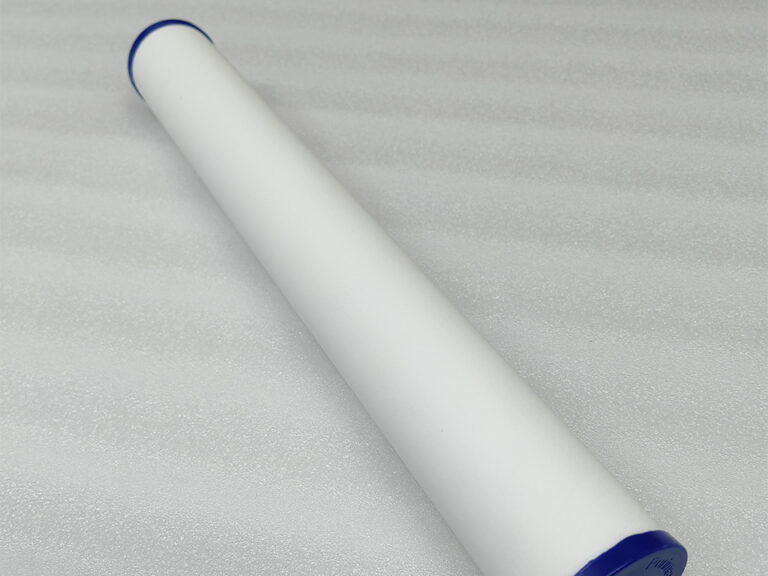
Il filtro universale dell'acqua blocco carbone è un buon esempio del perché gli acquirenti devono separare i supporti dal sistema di alloggiamento. Le prestazioni del blocco di carbonio, i componenti terminali in plastica, le guarnizioni, gli adesivi e le superfici di contatto con l'alloggiamento meritano tutti controlli separati.
Un componente pulito non battezza l'assemblea.
Certificati materiali: Il numero di calore racconta la storia
Chiedete il certificato del materiale.
Poi chiedete a cosa si collega.
È qui che i fornitori poco attenti iniziano a sudare. Invieranno un certificato di materiale in acciaio inossidabile, certo, ma non corrisponderà al lotto, al modello, all'ordine di acquisto, al numero di serie o alla spedizione. Dimostra solo che da qualche parte è esistito dell'acciaio inossidabile. Congratulazioni.
Per gli alloggiamenti inossidabili, voglio la composizione chimica di SS304 o SS316L, le proprietà meccaniche, il numero di calore, il riferimento allo stabilimento e la tracciabilità della produzione. Per gli alloggiamenti in polimero, voglio il grado della resina, la dichiarazione del fornitore, il codice del lotto e le prove di contatto con gli alimenti se l'applicazione tocca acqua potabile, bevande o alimenti di processo.
Piccolo dettaglio. Grande conseguenza.
Una richiesta di 316L senza un MTC tracciabile è solo una frase che indossa stivali da lavoro.
Le guarnizioni sono il luogo in cui si nascondono le decisioni più economiche
Gli acquirenti amano parlare di case.
Dimenticano l'O-ring.
Una mossa sbagliata.
EPDM, silicone, NBR, PTFE e Viton non sono adesivi intercambiabili su un disegno. L'EPDM potrebbe andare bene per il servizio in acqua, ma non per gli oli. L'NBR può comportarsi in modo diverso con la temperatura e i solventi. Il silicone può essere adatto all'uso per alimenti e bevande, ma necessita comunque di documentazione. Il Viton può gestire la chimica aggressiva, ma il costo aumenta e la compatibilità dipende ancora dal fluido.
E sì, i fornitori di guarnizioni di commutazione.
A volte per sbaglio. A volte perché l'acquirente li ha battuti sul prezzo finché non hanno dovuto cedere qualcosa.
Se la pagina del prodotto offre più materiali per gli O-ring, come nel caso del modello Opzione alloggiamento e cartuccia per sedimenti in PP trasparente, L'ordine di acquisto deve bloccare il materiale della guarnizione. Mettetelo per iscritto. Chiedete al fornitore di confermarlo sulla fattura proforma, sul foglio di controllo e sul certificato di conformità.
Per il resto, godetevi l'elastomero a sorpresa.
I filtri in metallo sinterizzato necessitano di un proprio percorso cartaceo
La filtrazione del metallo sinterizzato è un animale diverso.
Dall'esterno sembra semplice - tubo di metallo, struttura porosa, vibrazioni industriali - ma le domande sulla conformità diventano rapidamente tecniche. Qual è il grado della polvere? Qual è il grado di porosità? È di 1 micron, 5 micron, 20 micron? Come è stata pulita dopo la sinterizzazione? È stata saldata? Passivato? Pulito a ultrasuoni? Testato a punto di bolla?
Non è come acquistare una cartuccia PP monouso in cartone.
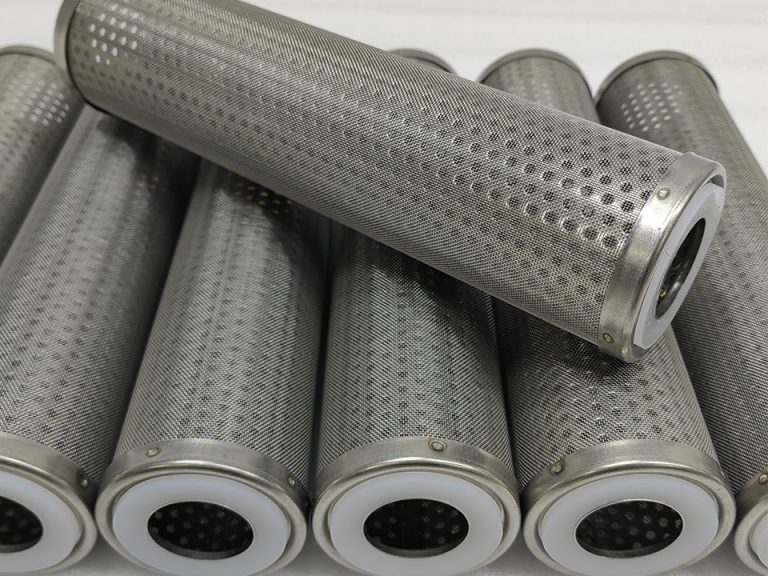
Per gli acquirenti industriali che stanno esaminando un cartuccia filtrante in metallo sinterizzato personalizzata, Chiederei la documentazione sulla dimensione dei pori, il tipo di materiale, il lotto di produzione, i criteri di ispezione, la dichiarazione di pulizia e la compatibilità con l'applicazione. Se il prodotto è destinato a prodotti chimici, alte temperature, recupero di solventi, recupero di catalizzatori, vapore o filtrazione di gas, l'affermazione “personalizzata” del fornitore deve essere supportata da un'analisi ingegneristica.
Non si parla solo di MOQ.
La tabella di conformità dell'acquirente: Cosa chiedere, cosa dimostra, cosa non prova
Documento
Cosa dimostra
Cosa non dimostra
Bandiera rossa per l'acquirente
Certificato ISO 9001
Sistema di gestione della qualità in fabbrica nell'ambito del campo di applicazione dichiarato
Sicurezza specifica del prodotto, classificazione della pressione, approvazione per l'acqua potabile
Il campo di applicazione non comprende le custodie dei filtri o le differenze di indirizzo in fabbrica.
Certificato ASME / rapporto dati
Sistema di qualità delle attrezzature a pressione o prove di costruzione relative al codice
Idoneità a qualsiasi uso fluido o sanitario
Il fornitore dice “materiale ASME” invece di costruzione certificata ASME
Certificato di prova del materiale
Identità chimico-meccanica di SS304, SS316L o altri metalli
Prestazioni del prodotto finito
Numero di calore non legato al numero di lotto o di serie
Dichiarazione FDA sul contatto con gli alimenti
Dichiarazione di idoneità del materiale bagnato per il contatto con alimenti/bevande
Che la FDA ha ispezionato o “approvato” l'alloggiamento
“Approvato dalla FDA” senza alcuna base materiale
Elenco NSF/ANSI 61
Conformità agli effetti sulla salute dell'acqua potabile per i prodotti/materiali elencati
Gusto, odore, flusso, prestazioni microbiche o tutte le configurazioni
L'elenco si riferisce a un modello diverso
Rapporto di prova della pressione
L'alloggiamento ha mantenuto la pressione di prova specificata nelle condizioni indicate
Resistenza alla corrosione a lungo termine o compatibilità chimica
Nessun numero di serie, nessuna pressione di prova, nessun ispettore
Certificato O-ring / guarnizione
Identità del materiale del sigillo e base di compatibilità
Conformità all'assemblaggio completo
Il fornitore cambia EPDM in NBR senza preavviso
Rapporto di ispezione finale
Qualità dimensionale e visiva alla spedizione
Certificazione di terza parte
Elenco di controllo generico senza riferimento a PO o lotto
Come verificare la conformità dell'alloggiamento del filtro prima di pagare
Non aspettate che la spedizione sia imballata.
È una cosa da dilettanti.
Chiedete i documenti prima del deposito, o almeno prima del pagamento del saldo. Una volta che i cartoni sono sigillati e il fornitore ha i vostri soldi, la vostra influenza si riduce rapidamente. Ho visto acquirenti implorare per avere i documenti di ispezione mancanti dopo la spedizione, e la risposta di solito è una qualche versione di “amico, nessun problema, spediamo più tardi”.”
Il dopo arriva raramente.
Ecco la sequenza che utilizzerei:
Iniziare con l'applicazione. Acqua potabile? Alimenti e bevande? Vapore? Solvente chimico? Pretrattamento RO? Refrigerante industriale? Aria compressa?
Elencare quindi tutte le parti bagnate. Alloggiamento. Tappo. Morsetto. Cartuccia. Supporti. Adesivo. O-ring. Sfiato. Scarico. Porta del manometro. Connessione.
Quindi abbinare i documenti ai rischi. Prefiltro per sedimenti a bassa pressione? Servono ancora materiali e prove di QA di base. Alloggiamento del vapore? I dati dei test di pressione e la documentazione sul metallo diventano più pesanti. Uso a contatto con gli alimenti? Le dichiarazioni sul materiale bagnato sono importanti. Metallo sinterizzato in servizio chimico? Le prove di compatibilità e di controllo dei pori salgono di livello.
Disordinato? Sì.
Si tratta di appalti.
Bandiere rosse che dovrebbero bloccare l'ordine di acquisto
Non mi piacciono i pacchetti di documenti perfetti.
Sembra strano, ma seguitemi. Se ogni file è stato creato lo stesso giorno, ogni firma sembra identica, ogni certificato è un'immagine a bassa risoluzione e ogni risposta tecnica arriva entro trenta secondi, inizio a pensare che il fornitore abbia una cartella chiamata “certificati per clienti stranieri”.”
Forse sono cinico.
Bene. Il cinismo ha fatto risparmiare soldi agli acquirenti.
Fate attenzione a questi:
Un certificato senza pagina del campo di applicazione. Un rapporto di prova senza numero di serie. Un certificato di materiale che non fa riferimento alla spedizione. Una valutazione della pressione senza pressione di prova. Un'indicazione FDA senza dichiarazione del materiale. Un alloggiamento inossidabile senza grado SS. Un materiale per O-ring indicato come “gomma”. Un disegno del prodotto che non corrisponde all'offerta. Un fornitore che dice: “Tutto uguale, nessuna preoccupazione”.”
Preoccupazione.
Inoltre, quando una fabbrica dichiara di essere in grado di costruire tutto, filtri in PP, blocchi di carbonio, alloggiamenti inossidabili, recipienti di vapore, metallo sinterizzato, filtri medicali, imballaggi OEM, stampi personalizzati e conformità completa per ogni mercato, non rifiutatela automaticamente. Ma rallentate. Un'ampia capacità richiede un controllo più rigoroso dei documenti, non una minore fiducia.
Cosa offrono i fornitori seri senza drammi
I buoni fornitori non si offendono quando chiedete i documenti.
Possono negoziare i tempi. Possono dire che alcuni file sono disponibili solo dopo la produzione. Potrebbero eliminare i prezzi dei fornitori o le formulazioni proprietarie. È normale.
Ma non tratteranno la documentazione come un favore.
Un fornitore serio dovrebbe essere in grado di fornire:
Scheda tecnica del prodotto. Disegno tecnico. Certificato del materiale. Certificato ISO. Rapporto di prova a pressione, se applicabile. Conferma del materiale della guarnizione. Rapporto di prova di terzi, se richiesto. Scheda di ispezione finale. Certificato di conformità. Registro di imballaggio. Tracciabilità del lotto. Conferma del controllo delle modifiche per gli acquirenti OEM.
Per un corpo del filtro Big Blue unipolare in acciaio inox, Ciò può significare la conferma del grado di inossidabilità, dell'accoppiamento della cartuccia, della connessione di ingresso/uscita, delle condizioni operative, della finitura superficiale e della portata del certificato di qualità. Per un alloggiamento del filtro a vapore in acciaio inox, I documenti relativi alla pressione e alla temperatura devono essere spostati nella parte anteriore del file.
Rischio diverso. Diverse pratiche burocratiche.
È proprio questo il punto.
Requisiti di conformità degli alloggi filtro per applicazione
Applicazione
Documenti a cui darei priorità
Perché è importante
Test di acquisto in gergo
Prefiltrazione dell'acqua potabile
Dichiarazione del materiale, prove di SGS/NSF, se richieste, dati dell'O-ring, scheda tecnica del prodotto.
Plastiche e guarnizioni a contatto con l'acqua potabile
“Mostrami l'elenco delle parti bagnate”.”
Cibo e bevande
Dichiarazione del materiale in stile FDA, certificato della guarnizione, dichiarazione di pulizia, tracciabilità del lotto
I revisori si preoccupano delle superfici di contatto e del controllo delle modifiche
“Cosa tocca il prodotto?”
Filtrazione a vapore
Rapporto di prova della pressione, MTC inossidabile, valutazione della temperatura della guarnizione, registro delle saldature/ispezioni
Il calore e la pressione puniscono le scartoffie deboli
“Dov'è l'idroelettrica?”
Servizio chimico industriale
Dichiarazione di compatibilità chimica, prova del materiale di tenuta, certificato del grado di inossidabilità, dati sulla pressione
L'elastomero o la lega sbagliati possono guastarsi rapidamente
“Quali sono i media e i tempi?”.”
Marchio privato OEM
Certificato ISO, scheda di ispezione finale, specifiche di imballaggio, accordo di controllo delle modifiche
Il proprietario del marchio è proprietario del reclamo in seguito
“Bloccare la distinta base”.”
Filtrazione in metallo sinterizzato
Prove di classificazione dei pori, grado del metallo, record di pulizia, ispezione del lotto
Le prestazioni dipendono dalla struttura, non solo dalle dimensioni
“Mostrate la prova del controllo dei pori”.”
Il pacchetto di conformità che approverei veramente
Se dovessi acquistare oggi delle custodie per filtri, approverei un fornitore solo dopo aver visto una confezione pratica. Non un archivio da museo. Non 300 pagine di spazzatura.
Vorrei un preventivo che indichi esattamente il modello, il materiale, la tenuta, la pressione, la temperatura, il collegamento e l'uso previsto. Vorrei la scheda tecnica. Vorrei un certificato ISO con il giusto campo di applicazione. Voglio la prova del materiale. Vorrei un test di pressione nei casi in cui la pressione è importante. Vorrei la conferma della guarnizione. Vorrei certificati di terze parti solo se si riferiscono al prodotto reale, non al prodotto cugino del 2019.
E vorrei che il certificato di conformità fosse legato al mio OP.
Quest'ultima parte è importante.
Una CoC che non menziona il PO, il modello, il lotto, la quantità o la spedizione è solo una lettera di cortesia.
FAQ
Quali sono i documenti che dimostrano la conformità degli alloggi filtro per gli acquirenti?
La conformità degli alloggiamenti dei filtri è dimostrata da un pacchetto di documenti collegato che comprende schede tecniche dei prodotti, certificati dei materiali, registri delle prove di pressione, dichiarazioni dei materiali di tenuta, certificati ISO o di terze parti, rapporti di ispezione e tracciabilità dei lotti legati all'esatto modello di prodotto, all'ordine di acquisto e alla spedizione. Un singolo certificato non è sufficiente.
Il vero test è il collegamento. Se la scheda tecnica dice SS316L, il certificato del materiale dovrebbe confermarlo. Se il preventivo dice EPDM, il verbale di ispezione non dovrebbe elencare tranquillamente NBR. Se l'alloggiamento è classificato in base alla pressione, il verbale di prova deve indicare la pressione di prova, il tempo di mantenimento e l'approvazione dell'ispettore.
L'ISO 9001 è sufficiente per dimostrare la certificazione del contenitore del filtro?
L'ISO 9001 non è sufficiente a dimostrare la certificazione delle custodie per filtri perché verifica un sistema di gestione della qualità, non automaticamente la conformità di una custodia specifica, di un materiale bagnato, di un grado di pressione, di una guarnizione o di un gruppo di filtrazione. Gli acquirenti devono verificare lo scopo del certificato, l'ente emittente, l'indirizzo dello stabilimento, la validità e i registri specifici del prodotto.
Utilizzate l'ISO come strumento di selezione dei fornitori, non come passaporto per i prodotti. È utile. Ma non sostituisce la tracciabilità dei materiali, i test di pressione, le dichiarazioni di contatto con gli alimenti o i registri QA a livello di spedizione.
Che cos'è la documentazione ASME sul corpo del filtro?
La documentazione relativa alla custodia del filtro ASME si riferisce a prove di attrezzature in pressione, come la portata del certificato ASME, la base del codice applicabile, la relazione sui dati del produttore, le marcature del recipiente in pressione, le registrazioni delle ispezioni e la documentazione delle prove in pressione. È rilevante quando l'alloggiamento è trattato come un recipiente in pressione o quando le specifiche del progetto richiedono la conformità ASME.
Se il progetto non richiede l'ASME, non inventatelo. Ma se si tratta di vapore, gas compresso, acqua ad alta pressione o specifiche impiantistiche, chiedete per tempo. Le domande tardive sui codici di pressione sono costose e spiacevoli.
Come fanno gli acquirenti a verificare le dichiarazioni di alloggiamento dei filtri conformi alla FDA?
Gli acquirenti verificano le dichiarazioni di conformità del corpo del filtro alla FDA richiedendo le dichiarazioni di contatto con gli alimenti a livello di materiale, i dati relativi alle resine o agli elastomeri, le dichiarazioni dei fornitori, la tracciabilità dei lotti e la conferma che tutti i componenti bagnati - non solo una cartuccia o una guarnizione - sono adatti all'applicazione prevista per gli alimenti, le bevande o il contatto con l'acqua.
Fate attenzione a “approvato dalla FDA”. In molte conversazioni sui contenitori dei filtri, l'affermazione onesta è più vicina a “materiale bagnato conforme alla FDA”. Chiedete al fornitore di definire l'affermazione per iscritto.
Quali documenti di garanzia della qualità del contenitore del filtro devono essere forniti con la spedizione?
I documenti di garanzia della qualità delle custodie dei filtri a livello di spedizione devono includere i registri delle ispezioni finali, i rapporti delle prove di pressione, se del caso, i controlli dimensionali, i risultati delle ispezioni visive, l'ispezione dell'imballaggio, i riferimenti ai lotti dei materiali, la conferma dei materiali delle guarnizioni e un certificato di conformità legato all'ordine di acquisto, al numero di modello, alla quantità e al lotto di produzione.
È qui che i fornitori deboli si espongono. Possono avere bei certificati di fabbrica, ma nessuna prova di spedizione specifica del lotto. Questo non è sufficiente per gli acquirenti seri.